



Fair chance hiring isn’t just a moral imperative—it’s a smart business move. By welcoming applicants with past convictions or unconventional backgrounds, companies are tapping into a motivated, loyal talent pool. Today, we’re spotlighting Fair Chance Hiring Companies that are setting the industry standard.
1. Walmart
- What they do: Introduced a “Second Chance” initiative, training store managers on inclusive hiring and eliminating blanket bans on applicants with records.
- Why it works: Their scale and transparency make it easy for other Fair Chance Hiring Companies to follow suit.
2. Koch Industries

- What they do: Offers full-time roles and vocational training to candidates with backgrounds, focusing on the manufacturing and energy sectors.
- Why it works: Solid career pathways lead to strong retention and community goodwill.
3. Home Depot
- What they do: Applies a “clean slate” approach—tying hiring decisions only to job relevance.
- Why it works: The fairness stance is highly public, building trust with employees and consumers.
4. JP Morgan Chase
- What they do: Piloted second-chance hiring for roles in finance and operations, including mentoring and internal support.
- Why it works: As a major financial institution, their success proves fair hiring is universal.
5. Target
- What they do: Conduct resume-blind and structured interviews to eliminate bias.
- Why it works: Demonstrates that Fair Chance Hiring Companies don’t need to compromise on hiring quality.
6. Kohl’s
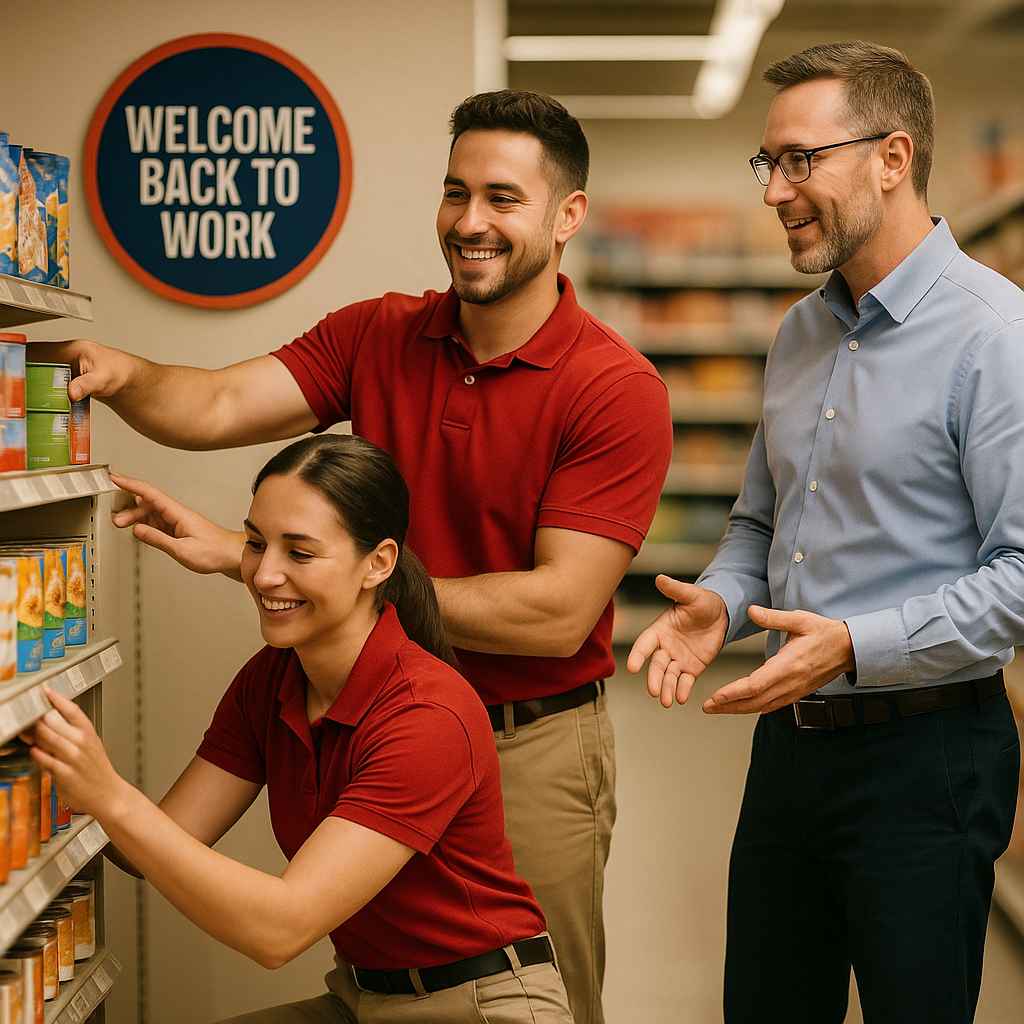
- What they do: Works with nonprofits and local agencies to diversify hiring pools.
- Why it works: Offers a repeatable model for retail and service industries.
7. Accenture
- What they do: A global leader offering fair chance pathways in consulting and tech, with internal mentoring.
- Why it works: Shows that fair hiring can scale across complex professional environments.
8. Dave’s Killer Bread
- What they do: A social enterprise built on social justice—over 50% of employees have conviction histories.
- Why it works: Their success reveals the real-world benefit of mission-driven inclusion.
9. Greyston Bakery
- What they do: Uses open hiring—no questions asked—focusing on coaching and wrap-around support.
- Why it works: Their model proves open hiring can thrive with the right support systems.
In fact, this overview of fair chance hiring and employment social enterprises highlights how organizations like Greyston Bakery are pioneering scalable, supportive models that break down employment barriers and foster long-term inclusion.
10. Uber

- What they do: Introduces applicants with non-violent records to ride-share and food delivery with support and training.
- Why it works: Mobile-first roles meet candidates where they are.
✅ Cross-Industry Learnings from These Top Fair Chance Hiring Companies
Here’s what every organization—regardless of sector—can take away:
| Strategy | What It Looks Like in Practice |
| Structured Interviews | Ask all candidates the same questions to reduce bias |
| Role-Specific Criteria | Reject only when record directly impacts the role |
| Ongoing Support | Mentorship, training, and career development for hires |
| External Partnerships | Collaborate with nonprofits or agencies focused on fair chance hiring |
| Data Tracking | Measure diversity and retention to validate impact |
Patterns like these power effective hiring practices across industries and help build a truly fair hiring organization aligned with enterprise goals.
Related Pages
- What Is Fair Chance Hiring? A CEO’s Guide
- Understanding Fair Chance Hiring Laws: A Recruiter’s Guide
- Hiring Fairness Compliance: Are You Meeting the Standards?
- Reducing Bias in Hiring: 5 Practical Strategies That Work
FAQ
What are Fair Chance Hiring Companies?
Organizations that intentionally hire and support qualified people with convictions or other employment barriers—designed to boost inclusion and reduce recidivism.
Why do companies follow fair chance hiring?
They gain access to a motivated, often overlooked labor pool; improve retention; enhance brand reputation; and align with compliance initiatives.
Is implementing fair chance hiring risky?
Not necessarily—especially when you use structured interviews, clear role fit policies, and candidate support. See our CEO’s guide: What Is Fair Chance Hiring?.
Can small to mid-sized businesses adopt these strategies?
Absolutely. Practices like structured interviews and role relevance criteria can scale from startups to enterprises.
Final Thoughts
The companies listed here prove that fair chance hiring isn’t a charity—it’s strategy. They’re showing that when you hire for potential, offer support, and remove bias, you build stronger, more engaged teams.
Ready to join their ranks? This guide on Top Fair Chance Hiring Practices is the perfect next step toward transforming your hiring process—and your organization’s future.
Content