



Pre-employment assessments—and how you manage pre-employment assessment results—have become a foundational component of effective recruitment strategies. Used thoughtfully, these tools help hiring leaders and HR professionals make smarter, data-backed decisions about potential hires. However, a common question persists: should you share assessment results directly with candidates?
The short answer: it’s usually not advisable. While transparency and candidate experience matter, sharing raw pre-employment assessment data brings considerable legal, strategic, and cultural risks. Below, we break down the logic, drawing on best practices and real-world examples.
The Short Answer
Modern recruitment leverages various assessment types—aptitude, personality, skills—often benchmarked against established standards. The main goal? To improve your ability to predict success and reinforce the integrity of the hiring process. Pre-employment assessment results are internal tools, not feedback documents or personal development plans for candidates.
Why Is This Important?
- Protects your organization against misunderstandings and liability
- Helps maintain objective, unbiased decision-making
- Reinforces professionalism in every candidate interaction
Let’s explore the core reasons to keep these results confidential—and the potential pitfalls if you don’t.
1. Benchmarking Can Backfire
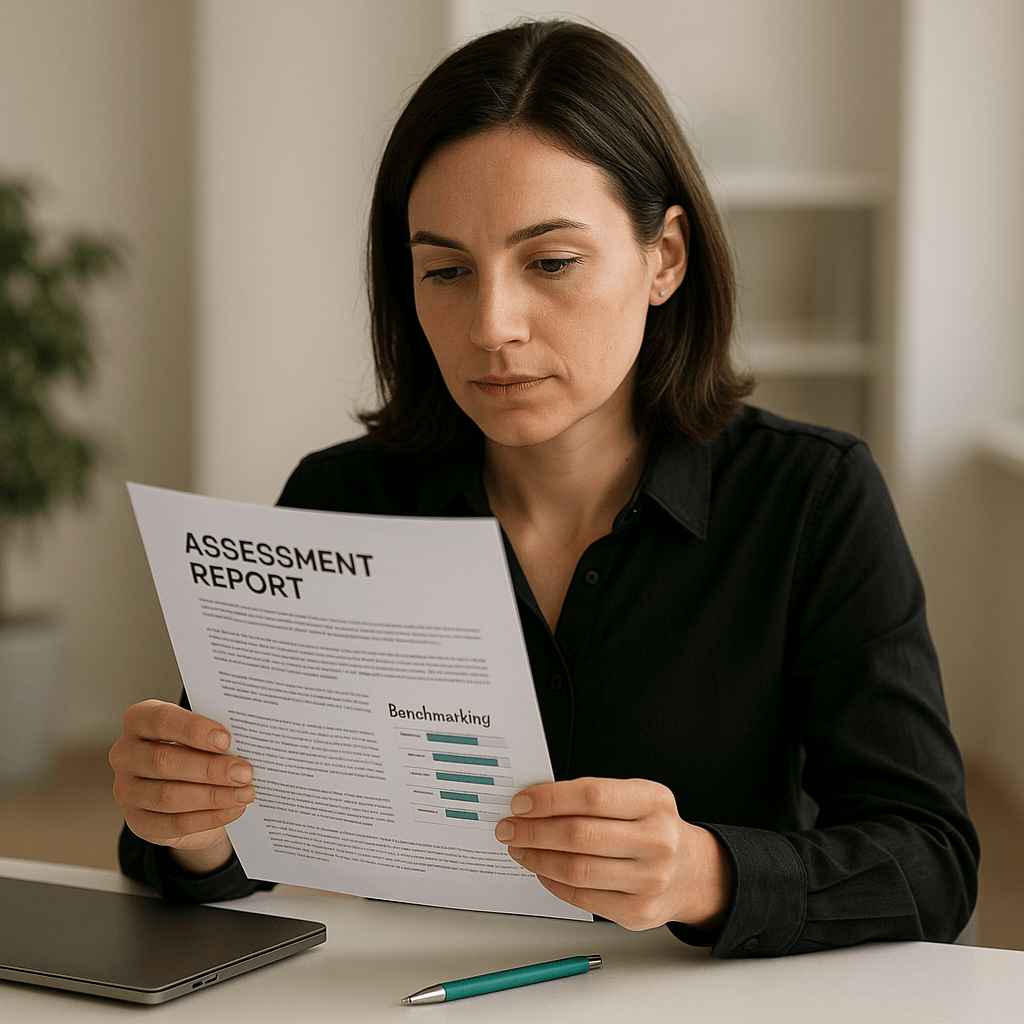
Most pre-employment assessments are normed and interpreted using job-specific benchmarks. For instance, a sales role may require high “assertiveness” scores or strong “problem-solving” abilities. Imagine a candidate sees “below average” for a certain trait—whether or not this truly reflects their ability to succeed, the result can easily become a distraction or a source of defensiveness.
Real Example
A recent candidate who performed strongly overall became fixated on a single low trait score. Instead of celebrating a job offer, the discussion devolved into damage control and emotional reassurance, souring the candidate’s experience.
Key Takeaway: Even robust and qualified candidates can misinterpret or overreact to a single data point. This undermines your efforts to build relationships and manage employer branding.
2. You Risk Legal Trouble
One of the most subtle but significant dangers is the unintended disclosure of protected characteristics or disabilities. If a candidate sees a low score, they have an opening to share personal or medical information—putting your team in a sensitive legal situation.
Real-World Case
A VP of Sales candidate scored low on reading comprehension and disclosed he had a recognized disability. The employer, hoping to avoid any appearance of discrimination, hired him—only to terminate later for job performance. This led to wasted resources and legal uncertainty.
Legal Background
Employers must avoid actions that could be interpreted as discriminatory under national frameworks like the Equal Employment Opportunity Commission (EEOC). Assessment results can inadvertently facilitate such disclosures, so it’s best to manage and guard this information internally.
3. Misinterpretation Is Inevitable
Assessment manuals and training are extensive for a reason. Terms like “assertiveness,” “self-regulation,” or “self-esteem” are precisely defined, yet easy for candidates to misread emotionally. Untrained eyes might misunderstand nuanced findings and assign them negative meanings.
For instance: A label such as “lower risk tolerance” could be viewed as a personal flaw, when operationally it might indicate cautious decision-making—an asset in many roles.
Tip: Instead of sharing reports, use well-developed interview guides that translate assessment insights into focused, unbiased questions.
4. Negative Traits Damage Rapport
Labels like “high blame,” “negative attitude,” or even “average learning agility” rarely land well with candidates. Even if accurate, such terms can spark defensiveness or conflict, derailing what should be a positive, skill-based conversation.
Conversation risk:
“Why does your test say I have a bad attitude? I’ve always received positive reviews!”
This dynamic pulls focus away from the interview’s purpose, turning your process into an argument rather than a collaborative assessment of fit.
5. It Complicates Your Hiring Process

Once you share assessment data, you often feel compelled to defend or justify every number. Some candidates may ask for a retest, others might dispute results, and your team faces new pressure points:
- Delays in the process
- Pressure to reconsider decisions out of fairness, not fit
- Complications that detract from your main goal: hiring the best talent efficiently
Efficiency Tip: Integrate your results with a comprehensive applicant tracking system to keep sensitive data secure, centralize decision-making, and streamline communication between hiring teams.
6. You Can Use the Data Without Sharing It
The true power of pre-employment assessment results lies in how you leverage them to drive better interviews, onboarding, and training. You can:
- Tailor interview questions to probe deeper into relevant skills
- Inform onboarding programs with individual strengths and coaching areas
- Support ongoing employee development, rather than early-stage candidates
As the saying goes: “They don’t need to see how the sausage is made.”
Maintaining separation between candidate assessment and feedback ensures clarity, objectivity, and trust in your process.
What About Existing Employees?
There are contexts where sharing assessment results with employees is appropriate—usually when they are already on staff, have demonstrated openness to feedback, and are engaged in structured development conversations.
Guidelines for Employee Feedback
- Only share results when the employee has tenure and a track record of candor.
- Frame insights within a clear development context.
- Discretion remains vital to respect individual temperament.
Even then, handle such conversations with care, aligning feedback with personalized growth plans. Consider utilizing specialized employee assessment software to structure and track employee development securely.
Best Practices for Hiring Leaders: What You Should Do Instead
- Keep assessment data confidential within the hiring team.
- Use assessments to develop customized interview strategies and candidate scorecards that evaluate core competencies without disclosing individual scores.
- Emphasize transparency about process, not raw results—explain how assessments inform your hiring decision, without sharing granular data.
- For candidates who request feedback, consider offering general observations (“We’re seeking candidates with X skill set and here’s why it matters to the role”) rather than specific scores or rankings.
Alternatives: Adding Value to the Candidate Experience
While it’s not ideal to share raw pre-employment assessment results, you can still offer value to candidates in thoughtful ways.
1. Share General Strengths
After hiring, provide a brief, non-scored summary highlighting behavioral strengths observed during the assessment process. Focus on traits that align with the role, without referencing numeric scores.
2. Use Results for Onboarding
Once hired, use insights from pre-employment assessment results to tailor onboarding and coaching plans—positioning the data as a tool for growth, not judgment.
3. Offer Process Transparency
If candidates ask for feedback, explain how assessments support hiring decisions without disclosing specific outcomes. This maintains professionalism and trust while keeping your evaluation criteria protected.
Final Takeaways for CEOs and Hiring Managers
As a leader, your job is to guard both the cultural and legal health of your organization while recruiting the best talent. Keeping pre-employment assessment results internal enables you to:
- Make objective and informed hiring decisions using pre-employment assessment results strategically
- Avoid legal exposure and candidate disputes
- Protect your employer brand and maintain positive candidate relationships
- Preserve process integrity and efficiency
For organizations seeking to further enhance their hiring workflows and compliance, it’s worth exploring options like Automated Reference Checking and structured candidate scorecards—tools that add rigor and transparency to your process without exposing sensitive data.
FAQs: Sharing Pre-Employment Assessment Results
Q: Should I ever share pre-employment assessment results with candidates?
A: In most cases, no. Sharing raw assessment results can lead to legal risks, misunderstandings, and damage to candidate relationships. It’s safer to use the insights internally to guide your hiring decisions.
Q: What’s the alternative to sharing assessment reports?
A: Offer candidates process transparency instead of results. You can explain how assessments inform your decisions without disclosing specific scores or traits.
Q: Can I share assessment results with employees after hiring?
A: Yes—selectively. It’s appropriate to use assessment insights during onboarding or performance development, but only when framed carefully and respectfully.
Q: Are there legal risks in sharing assessment data?
A: Absolutely. Candidates may disclose protected information (like a disability) in response, potentially exposing your team to legal complications.
Q: How should I use pre-employment assessment results without sharing them?
A: Use the results to tailor interview questions, personalize onboarding, and identify long-term development opportunities—while keeping the raw data internal.
See Smarter Assessments in Action
Want to level up how you use pre-employment assessments—without risking legal issues or candidate friction? In your free demo, we’ll walk you through how to build smarter, AI-powered evaluation workflows that protect data, improve hiring decisions, and keep your process candidate-friendly.
Schedule your demo today to explore how Discovered helps you screen faster, more fairly, and with less guesswork.
Looking to learn more? Explore our resources on structured interviewing, assessment integration, and applicant tracking best practices.
Content