



Job hopping—frequently changing jobs—has gained significant traction in today’s rapidly evolving workforce. Previously viewed with skepticism, job hopping is now increasingly recognized as a strategic approach to accelerating career progression, building a diverse skill set, and taking advantage of dynamic job markets.
But how does it truly impact performance in new roles? And what can recruiters and HR leaders learn from scientific research to optimize talent acquisition and employee success?
This article dives into the evidence-based relationship between job hopping and career outcomes, with key takeaways for professionals in recruitment and HR.
Understanding Job Hopping: A Shift in Career Mindset
Traditionally, a long tenure at a single company signaled loyalty and reliability. However, changing workplace dynamics, shifting generational values, and technology have all contributed to a new paradigm. Research shows younger generations—Millennials and Gen Z—are leading the trend, with average tenures of roughly 3.2 years for employees aged 25-34, compared to 10.1 years for those aged 55-64. (GFoundry)
Drivers of Job Hopping
- Technological Advancements and Remote Work: Online job boards and professional platforms simplify job searching. The rise of remote work, gig opportunities, and digital networking have made it much easier to change jobs quickly.
- Changing Employer-Employee Relationships: The notion of lifetime employment has waned. Both employers and employees prioritize mutual flexibility and adaptability.
- Skills-Focused Market: Organizations now value a breadth of skills and adaptability. Employees are rewarded for broadening their professional experience.
- Economic and Industry Shifts: Fluctuating markets encourage workers to proactively manage their careers and move when new opportunities present themselves.
Key Motivations Behind Job Changes
Employees cite several reasons for pursuing new job opportunities:
- Career Advancement: The pursuit of higher salaries, bigger challenges, and more senior roles.
- Improved Work-Life Balance: Flexible hours, remote work, and company culture often drive people to change roles.
- Greater Job Satisfaction: Discontent with a current position’s lack of growth, poor management, or unsatisfactory environment can propel job changes.
Job Hopping and Performance in New Roles
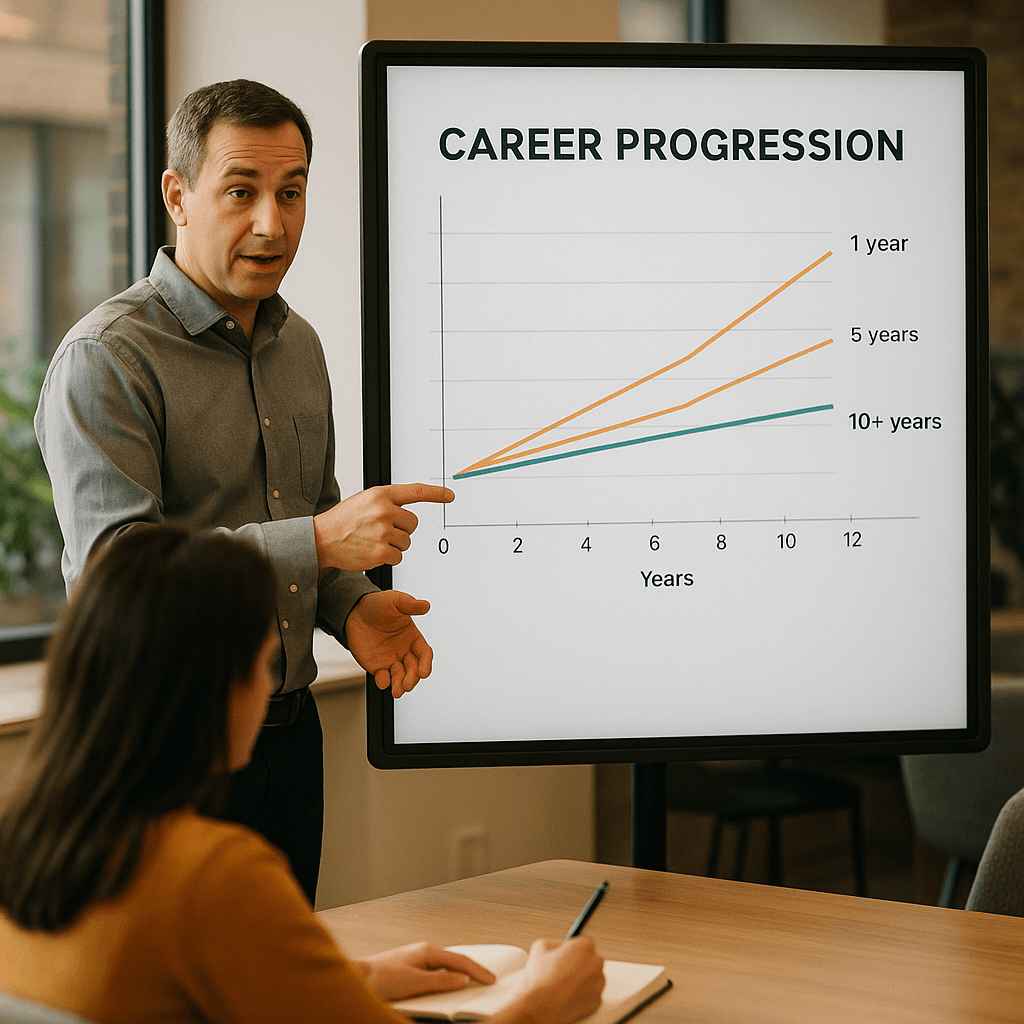
Advantages of Frequent Job Changes
Although direct research comparing job performance between job hoppers and long-tenured employees is limited, studies point to several potential advantages:
- Adaptability and Resilience: Regularly acclimating to new environments fosters adaptable, quick-thinking professionals. These traits are highly valued in dynamic sectors.
- Expanded Skill Sets: Exposure to multiple companies, cultures, and processes allows candidates to acquire a wide range of skills quickly (HR Netrimbun).
- Faster Salary Growth: According to a Forbes survey, 64% of job hoppers report significant boosts in career mobility and earnings.
Disadvantages and Risks
There are also disadvantages for job hoppers that HR teams need to evaluate:
- Perceived Lack of Loyalty: Some employers may interpret short tenures as a lack of commitment.
- Shallow Experience: Job hoppers may have a broader skill set but could lack deep expertise in specific domains.
- Adjustment Challenges: Frequent transitions require repeated onboarding periods, which can briefly dampen productivity.
- Job Security Risks: In uncertain times, those with shorter tenure may face higher layoff risks.
Evaluating Performance: What the Research Shows
| Research Area | Key Findings |
|---|---|
| Job Hopper vs. Stable Employee Performance | Limited direct comparison, but job hoppers show higher adaptability and quick learning (HR Netrimbun) |
| Salary Growth | Pew Research and Forbes: 60%+ of job changers report salary increases; job hoppers see quicker salary jumps. |
| Employer Perceptions | Some hiring managers are skeptical of job hopping on resumes, but others see value in versatility. |
| Long-Term Career Impact | ResearchGates and industry reports suggest strategic job hoppers advance faster, provided skills and impact are clearly demonstrated. |
Benefits for Employers: Unlocking Fresh Talent
While job hopping may present some hiring risks, it also creates new opportunities for organizations:
- Diverse Perspectives: New hires bring exposure from multiple industries and business models, sparking creative problem-solving.
- Agility: Employees are used to changing and adapting readily to evolving business needs and roles.
- Learning Culture: Job hoppers can stimulate an environment of continuous knowledge sharing and innovation (City Personnel).
Maximizing Success for Job Hoppers in New Roles
Research and HR experience suggest that successful job hoppers excel by:
- Thinking Strategically: Deliberate, goal-oriented career moves, rather than impulsive changes, increase long-term career value.
- Being Networked: Building relationships ensures future opportunities and valuable recommendations.
- Self-Motivation and Learning: Continual upskilling ensures relevance and marketability.
- Demonstrating Measurable Growth: Clearly highlighting results and improved responsibilities at each stage is crucial for convincing future employers.
For hiring teams, evaluating candidates with a history of job changes requires advanced methods. Tools like employee assessment software can provide deeper insights into adaptability, skill growth, and cultural fit. Incorporating structured candidate scorecards helps ensure fair and consistent evaluation across applicants with diverse backgrounds.
Alternative Perspectives: Is Job Hopping Always a Positive?

The debate continues. Some researchers and HR leaders champion job hopping as a catalyst for rapid progression and skills accumulation. Others worry about potential downsides:
- Employers may overlook frequent changers during layoffs.
- There is a risk of shallow institutional knowledge.
- It can create resume gaps or short-term mismatches between a company’s and a candidate’s goals.
Still, for many organizations and individuals, measured job changes represent effective career management.
Proactive Steps for Recruiters and Job Seekers
For Recruiters
- Employ evidence-based tools for performance prediction and cultural fit analysis.
- Communicate transparently about company stability and growth opportunities.
- Value diverse experiences and probe for measurable impact during interviews.
For Job Seekers
- Make strategic, not impulsive, moves.
- Use each role as a skill-building and network-expanding opportunity.
- Demonstrate progression, results, and adaptability at every stage.
Conclusion
Job hopping is here to stay, increasingly normalized by both job seekers and progressive employers. The evidence points toward clear advantages, when done strategically, in career development and salary progression. HR teams, recruiters, and candidates who understand the key motivators and challenges can unlock unique opportunities for mutual success.
For further support in assessing candidates and structuring optimal hiring workflows, consider scheduling a free demo with our hiring experts at SocialFind. Discover how expert-driven evaluation processes and digital tools can streamline your recruitment, optimize performance assessment, and build enduring teams.
Content