
Automated hiring fairness is quickly becoming a must-have in modern recruitment. Hiring bias, inconsistency, and gut-feel decisions aren’t just outdated—they’re dangerous for your business. And with growing pressure from regulators, employees, and the public, organizations are now asking: Can automation really make hiring fairer?
Short answer? Yes—when done right. In this guide, we’ll break down how automation supports fair hiring, where it works best, and what to watch out for.
Why Automation Is Now Part of the Fair Hiring Conversation
Traditionally, hiring has relied on people—people reviewing resumes, people making calls, people choosing who gets the job. But people bring bias, even when they don’t mean to.
Enter automated hiring fairness—the practice of using ethical, well-trained algorithms to standardize decision-making and remove common hiring biases.
Here’s how this shift is happening:
| Traditional Hiring | With Fair Automation |
| Manual resume screening | AI flags top candidates based on objective data |
| Unstructured interviews | Interview scorecards with consistent metrics |
| Unconscious bias in reviews | Blind screening tools and DEI dashboards |
| Guesswork on fit | Predictive assessments and behavioral insights |
What Is Automated Hiring Fairness, Exactly?
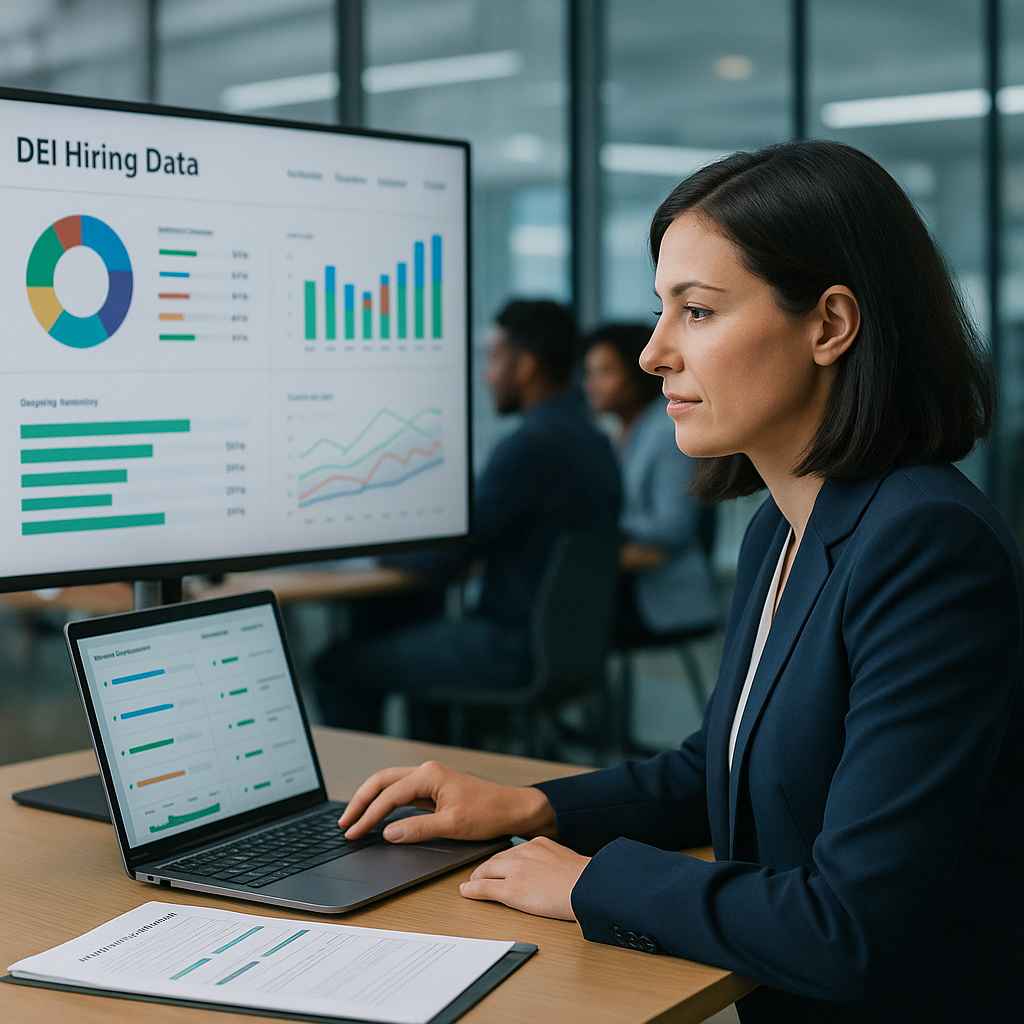
Automated hiring fairness refers to using algorithms and hiring software to make recruitment processes more objective and inclusive, without introducing new bias.
But it’s not just about using AI. It’s about how you use it:
- Are your tools trained on fair, diverse data?
- Do they explain their decisions transparently?
- Can you audit the process if challenged?
That’s what separates responsible automation from risky shortcuts. In fact, researchers have identified the core challenges, fairness metrics, and validation methods in AI-powered hiring. This in-depth study on fairness in AI-driven recruitment outlines how organizations can evaluate their tools to ensure they’re supporting—not undermining—fair hiring goals.
How Automation Reduces Bias in Hiring
When properly implemented, hiring automation helps reduce bias in a few key ways:
1. Blind Resume Screening
Automated tools can remove names, addresses, schools, and other bias-triggering info from resumes before a human sees them.
2. Structured Interviews
Many platforms prompt recruiters to ask the same questions to every candidate, then score their responses consistently.
3. AI-Powered Assessments
You can objectively test candidates for cognitive ability, personality fit, and skills using standardized assessments. (See: Fair Hiring Practices Every Employer Should Follow)
4. Compliance Monitoring
Advanced systems alert you when your process deviates from EEOC or Fair Hiring Act requirements, helping you stay legally safe.
Pros and Cons of Using Automation in Fair Hiring
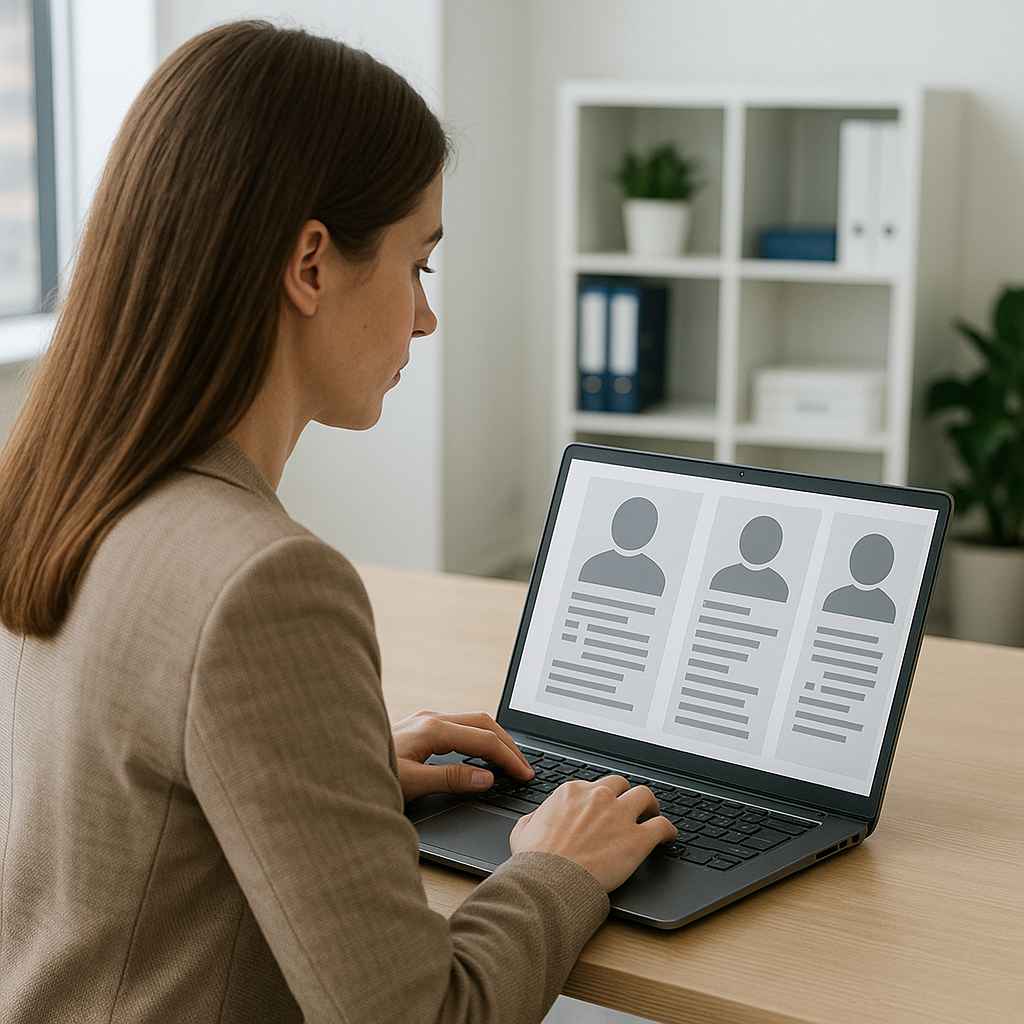
Let’s break it down clearly:
| Pros of Automation in Hiring | Watch-Outs to Monitor |
| Faster screening of large applicant pools | Algorithmic bias if training data is flawed |
| Consistent scoring and candidate ranking | Lack of transparency in decision-making |
| Removes identifying info to reduce bias | Over-reliance on tools, ignoring human insight |
| Easy tracking of DEI goals and compliance | Risk of legal issues if tools aren’t validated |
Where Automation Fits in Your Hiring Funnel
Automation isn’t a magic button, but it’s incredibly helpful in these areas:
✅ Early Screening
Resume parsing, skills testing, and eligibility filters.
✅ Interview Stages
Video interview scoring, bias detection tools, and structured feedback prompts.
✅ Post-Interview
Comparative dashboards offer decision support and DEI tracking.
Not sure where to begin? You might find inspiration from How to Build a Truly Fair Hiring Organization or Reducing Bias in Hiring.
Real-World Use: Fair Chance and Inclusive Hiring

For companies embracing fair chance hiring, automation can help prevent accidental bias against candidates with criminal records or unconventional backgrounds.
For instance, tools that delay background checks or flag when a rejection doesn’t match a job requirement help reinforce laws covered in Understanding Fair Chance Hiring Laws and Fair Hiring in Banking.
Best Practices for Ensuring Automated Hiring Fairness
| Best Practice | Why It Matters |
| Audit your algorithms regularly | Avoid hidden bias or flawed predictions |
| Combine automation with human review | Prevent overreliance on black-box systems |
| Train recruiters on tool usage | Maximize fairness and transparency |
| Track demographic hiring patterns | Ensure equity outcomes across the board |
If you’re just getting started, consider reading Fair Hiring Policy Template: Write Yours the Right Way for a structured framework.
Related Pages
- What Is Fair Chance Hiring? A CEO’s Guide
- Hiring Fairness Compliance: Are You Meeting the Standards?
- EEOC Compliance in Hiring
- What Makes a Fair Hiring Agency?
FAQ
Can AI actually reduce hiring bias?
Yes—if implemented responsibly. Tools that remove bias triggers (like names or schools) and enforce structured scoring can reduce bias more consistently than humans.
Is automated hiring legal?
Yes, but it must comply with EEOC and state-level hiring laws. Be sure your tools are validated and auditable.
Will automation replace human recruiters?
No. It supports them by handling repetitive, bias-prone tasks, so humans can focus on judgment and candidate experience.
How do I know if a tool is fair?
Look for platforms that offer transparency, explainability, and third-party audits. Always test outcomes across different demographics.
Where can I learn more about automated hiring fairness?
Start with the Fair Hiring Explained guide for a complete overview.
Final Thoughts
Automation isn’t about replacing people—it’s about making hiring smarter, faster, and more equitable. When designed for automated hiring fairness, technology can break the bias loop, standardize decision-making, and ensure compliance.
In a world where fair hiring is a competitive advantage—not just a legal checkbox—automation is your ally, not your adversary.
And if you’re ready to explore pre-employment assessments as part of your fair hiring toolkit, book a demo with us to see it in action.
Content