
Let’s face it—bias creeps into hiring more often than we realize. From the language in your job ad to how you score interviews, unconscious preferences can quietly shape who gets hired and who gets left out. That’s why reducing bias in hiring isn’t just a “nice to have”—it’s a competitive advantage.
This blog dives into five research-backed, easy-to-apply strategies to make your hiring process fairer and more inclusive, without sacrificing speed or quality.
Why Reducing Bias in Hiring Matters
Bias doesn’t always look like discrimination. Sometimes it favors candidates from certain schools. Or leaning toward people who look or talk like us. But even small patterns can add up to big problems:
| Bias Impact | Real-World Consequence |
| Favoritism toward familiar traits | Less diversity and innovation |
| Subjective scoring | Missed high-potential candidates |
| Inconsistent interview processes | Legal risks under EEOC laws |
| Assumptions about “fit” | Homogeneous teams, groupthink |
So, how do you fix it? Let’s walk through the five best ways to reduce hiring bias, without overhauling your entire system.
1. Use Structured Interviews (Not Gut Feel)
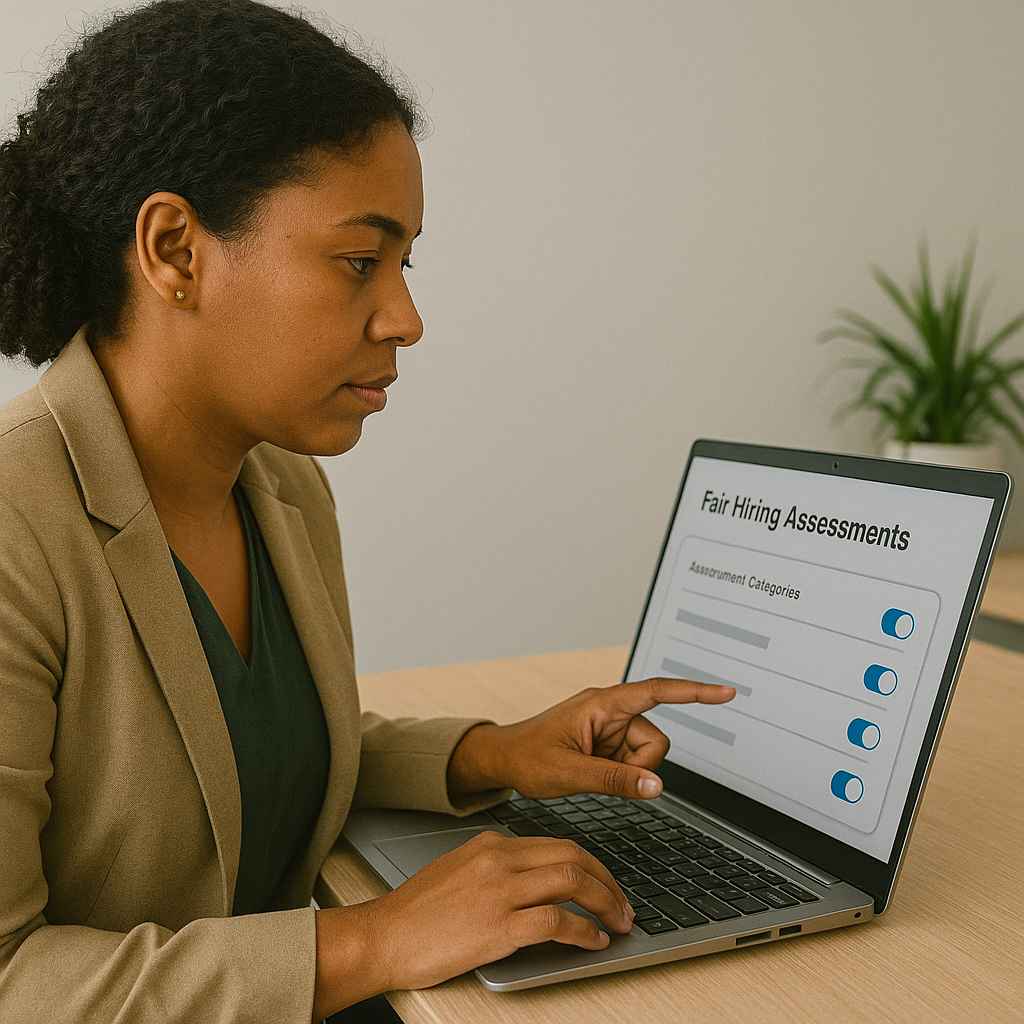
Instead of free-flowing conversations, stick to a consistent set of interview questions for every candidate applying for the same role. Then, use a simple scoring rubric to rate responses objectively. You can streamline this even further by using tools like Discovered’s Candidate Scorecards, which help you compare candidates fairly with consistent interview criteria.
Pairing scorecards with structured Interview Guides ensures your team asks the right questions, stays aligned, and avoids inconsistent evaluation.
Why it works:
Studies show structured interviews are up to twice as predictive of job success as unstructured ones. They reduce the influence of personal bias and create a level playing field.
Related Read: Fair Hiring Practices Every Employer Should Follow
2. Implement Blind Resume Reviews
Remove names, addresses, photos, and even graduation years before resumes go to the hiring manager. This helps eliminate bias related to gender, ethnicity, age, or background.
How to do it:
Use resume screening tools that anonymize candidate data automatically. Or, assign a team member to manually clean resumes before shortlisting.
Bonus: This approach aligns closely with fair chance hiring principles. See: What Is Fair Chance Hiring? A CEO’s Guide
3. Standardize Your Job Descriptions

Bias often starts at the very first touchpoint: the job ad. Certain words—like “ninja,” “dominant,” or “competitive”—can discourage women or underrepresented groups from applying.
Tip:
Use inclusive language tools (like Textio or Ongig) to spot gendered terms and ensure your ad appeals to a wider audience.
Helpful Tool: Some tools even score your job descriptions for readability and inclusivity—great for both DEI goals and conversion rates.
4. Use Validated Pre-Employment Assessments
Want a truly objective way to evaluate candidates? Use science-backed assessments to measure cognitive skills, work behavior, and cultural alignment before the interview. When combined with Discovered’s One-Way Video Interview platform, assessments give you a deeper look at candidates before they ever walk in the door, while helping reduce unconscious bias during early screening.
Why it works:
Tools like cognitive ability tests and personality assessments eliminate guesswork and highlight potential that’s not always visible on a resume.
You can also monitor outcomes over time to spot gaps and improve fairness.
Tip: Can Automation Make Hiring Fairer? Here’s How It Works shows how AI tools are being used to reduce bias at scale.
5. Track Metrics and Commit to Change
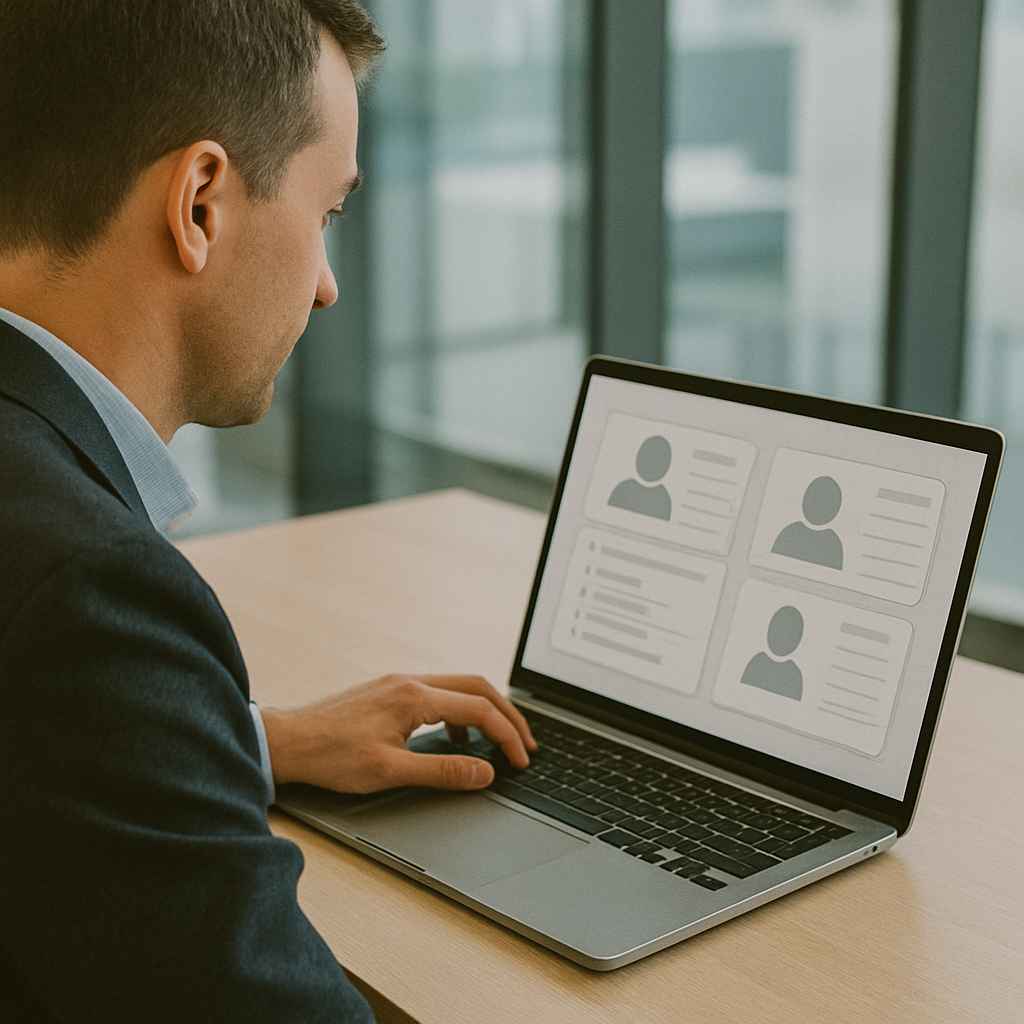
You can’t fix what you don’t measure. Start tracking key metrics like:
- Diversity of applicant pool
- Pass-through rates by gender/ethnicity
- Interview score discrepancies
- Time-to-hire and offer acceptance by group
Then, act on what you find.
Real-world case studies have shown that structured decision-making methods—like Choosing by Advantages—can play a significant role in reducing hiring bias and improving selection outcomes. One such study, published on ResearchGate, demonstrates how organizations can operationalize fairness through consistent, criteria-based evaluations.
Frameworks to Explore:
- Hiring Fairness Compliance: Are You Meeting the Standards?
- Fair Hiring Policy Template: Write Yours the Right Way
Bonus Tip: Combine Tech with Human Insight
Reducing bias in hiring isn’t just about automation—it’s about smart automation. Tools can help you scale fairness, but they need human oversight.
Explore the balance here: EEOC Compliance in Hiring: What You Need to Know
Related Pages
- Fair Hiring in Banking: How the Act Impacts Financial Institutions
- What Makes a Fair Hiring Agency? Here’s What to Look For
- Top Fair Chance Hiring Practices to Build an Inclusive Workforce
- Fair Hiring Explained: What It Means and How to Do It Right
FAQ
Q: Can I fully eliminate bias in hiring?
Not entirely, but you can reduce it dramatically through better design and tools. It’s a journey, not a switch.
Q: Do assessments help remove bias?
Yes—when validated and implemented fairly, they give every candidate a chance to shine, regardless of background.
Q: Isn’t structured hiring too rigid?
It may feel that way at first, but it leads to better hiring outcomes. You can always add flexibility after scoring.
Final Thoughts
Reducing bias in hiring isn’t just about compliance—it’s about doing what’s right and smart. Companies that get this right attract stronger talent, build more diverse teams, and avoid costly mistakes.Want to see how data-driven assessments can help your team reduce bias and hire smarter?
👉 Book a demo to explore the tools behind the strategy.
Content