



A truly inclusive workplace begins with how you hire.
Fair chance hiring practices focus on giving candidates with conviction-free pasts or employment barriers a fair shot, while ensuring your hiring process stays effective, compliant, and inclusive.
Let’s dive into the practical steps that make a hiring process truly inclusive.
1. 🌱 Ban-the-Box Early Screening
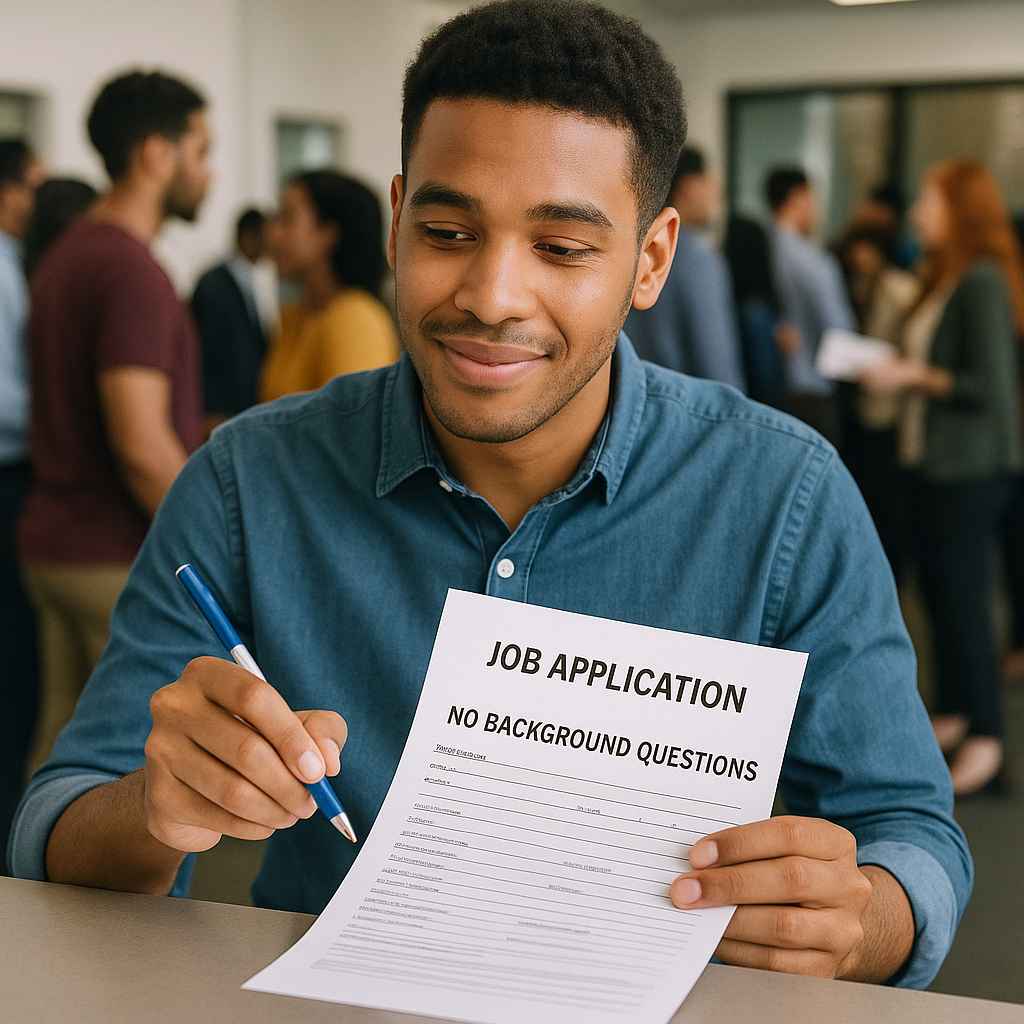
By removing questions about criminal history from initial applications, you ensure candidates are first evaluated on their skills and experience, not their past.
Research consistently shows this leads to:
- A larger candidate pool
- Fairer first impressions
- Better interview outcomes
2. Use Structured Interviews
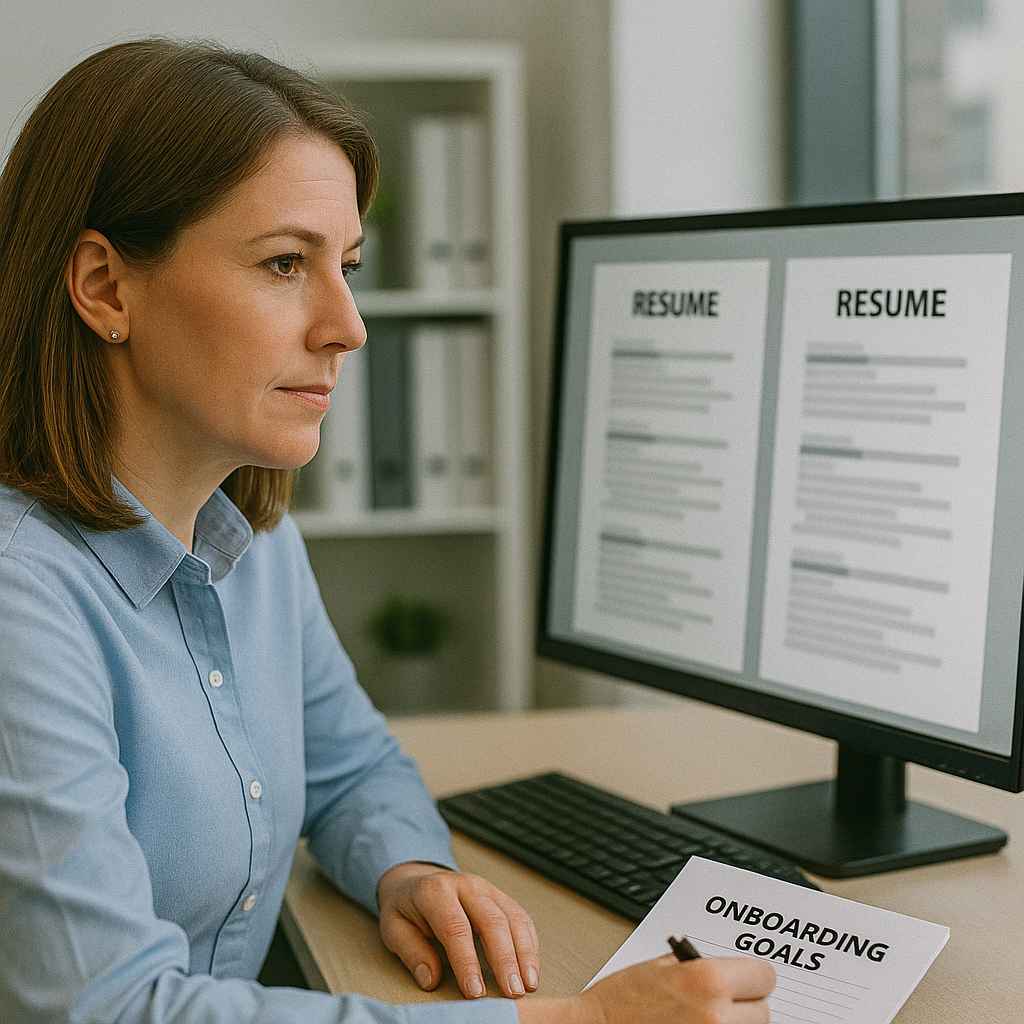
Create a standard set of job-relevant questions. Evaluate responses the same way for every candidate.
This simple strategy dramatically reduces biases.
Need more insight? Check out our guide on reducing bias in hiring.
3. Conduct Blind Resume Reviews
Strip resumes of names, graduation years, and other personal info that can trigger unconscious bias.
Fair chance hiring practices like this make it easier to identify true skill and potential.
4. Link Background Checks to Role Requirements
Wait to review criminal history until after assessing a candidate’s qualifications.
Make sure any exclusions are:
- Job-specific
- Documented
- Never arbitrary
This is legal, ethical, and rooted in fairness. In fact, this policy brief on fair and transparent screening from the National Employment Law Project offers practical guidance for ensuring equitable and job-relevant background checks, especially critical for compliance and transparency in modern hiring.
5. Provide Support Post-Hire
Many fair chance hires thrive with onboarding tailored to their needs. Consider:
- Mentorship
- Peer support groups
- Training and role orientation
These practices make your commitment to inclusion meaningful and impactful.
6. Partner with Community Organizations
Tap into local nonprofits, justice-reform groups, or re-entry programs. These organizations help you reach vetted candidates who are ready to re-enter the workforce with confidence.
7. Measure, Track, Repeat
Use reporting tools to understand who you’re hiring—and how well they’re performing. Key metrics include:
- Candidate demographic mix
- Offer acceptance by background
- Retention rates
Data helps you improve and demonstrate impact.
8. Train Your Hiring Team

Host live or online sessions to help interviewers recognize biases, learn inclusive language, and consistently apply these practices across the board.
Comparison Table: Before vs After Fair Chance Hiring Practices
| Hiring Process Stage | Before | After Applying Fair Chance Hiring Practices |
| Screening | Resume name & gaps sensitive | All neutral content, bias minimized |
| Interview | Ad-hoc, unstructured | Structured with standardized scoring |
| Background Check | Conducted early | Conducted after qualifications are evaluated |
| Onboarding | Standard, generic | Support-focused with mentors and training |
| Data & Compliance | No tracking | Continuous metrics collection and analysis |
Related Pages
- Fair Hiring Practices Every Employer Should Follow
- What Is Fair Chance Hiring? A CEO’s Guide to Inclusive Recruitment
- Understanding Fair Chance Hiring Laws: A Recruiter’s Guide
- Fair Hiring in Banking: How the Act Impacts Financial Institutions
- Can Automation Make Hiring Fairer? Here’s How It Works
FAQ
What are fair chance hiring practices?
They are hiring methods designed to give candidates—especially those with barriers like criminal records—a fair opportunity based on talent, not past mistakes.
How do I start implementing them?
Begin with ban-the-box and structured interviews—then layer in blind reviews, metrics tracking, and supportive onboarding.
Is this legally compliant?
Yes, when done correctly. Be sure your background check policies are clear, role-specific, and followed after candidate evaluation. For compliance help, see our guide on EEOC requirements.
Can small organizations adopt these practices?
Absolutely. These strategies fit any hiring scale and often bring quick benefits.
Final Thoughts
Fair chance hiring practices aren’t just ethical—they build stronger, more dedicated teams.
By embedding these practices into your hiring process, you’re not just opening doors for individuals—you’re making your organization smarter, more diverse, and future-ready.
Ready to go deeper? Explore our overarching guide: Fair Hiring Explained: What It Means and How to Do It Right.
Content