

Imagine pouring months into AI-driven recruitment, only to find the tech fueling bias, legal headaches, and a cold candidate journey. In HR, it’s easy to get swept up in the promise of AI-powered hiring. But pressure mounts as executives demand efficiency, candidates expect a white-glove experience, and the regulatory landscape shifts underfoot.
The pros and cons of using AI can make or break your reputation and hiring outcomes. Like Josh Bersin often reminds us, the right strategy transforms AI from risk to a true HR game-changer. For a broader overview of how AI is reshaping modern recruitment, see our guide on AI recruitment explained.
What Are the Pros and Cons of Using AI in Hiring?
The pros and cons of using AI in Hiring are the key advantages and pitfalls related to adopting artificial intelligence for recruiting, talent management, compliance, and daily HR operations. AI can streamline processes such as resume screening, interview scheduling, and employee assessments, enhancing efficiency and consistency.
However, it also raises concerns over bias, data privacy, transparency, and the loss of a critical human touch—especially when a Business casual blazer is replaced by hands-off hiring at scale.
For example, while AI-driven recruitment can accelerate candidate screenings and reduce administrative strain, it may introduce algorithmic bias if not actively monitored. The shift toward AI-powered hiring presents both a game-changer for HR productivity and new challenges in regulatory compliance.
Thoughtful adoption, regular audits, and enhancing AI with ongoing human oversight protect an organization’s talent pipeline and reputation.
Major Benefits of AI in Hiring
Incorporating AI in HR can give you the same thrill as a laser-focused recruitment campaign that fills the top of the funnel with perfect-fit candidates. When harnessed smartly, AI-driven solutions mean less paper-shuffling and more strategic impact for your whole hiring operation. Here’s how this plays out with the biggest wins for modern HR pros.
1. Increased Efficiency and Automation
AI-powered hiring lets HR teams clear tedious, manual tasks off their desks and focus on building authentic connections with talent. You could automate resume screening, coordinate interview scheduling, or use smart candidate matching, all within a single, streamlined platform. These tools can drop your time-to-hire by up to 30% compared with traditional methods.
For example, AI recruiting tools enable plug-and-play integration with your existing workflows, dramatically boosting productivity while strengthening the talent pipeline. Even seasoned pros like Meghan M. Biro spotlight automation as a game-changer for HR.
2. Data-Driven and Consistent Decisions
In AI-driven recruitment, data doesn’t just sit in your system; it powers every action. Predictive analytics in HR leverages historical hiring data and performance trends to select top candidates and forecast retention.
You might see bias reduction, measurable with consistent, explainable shortlists. Plus, AI audit in HR helps catch drift or fairness issues before they impact hiring. Data-driven decisions mean you develop a culture that adds, identifying not just culture fit but genuine value-add.
3. Enhanced Candidate and Employee Experience
AI chatbots in HR, automated feedback, and personalized onboarding actions ensure candidates and employees feel seen—even during high-volume hiring.
For example, when you automate real-time feedback, candidates get status updates instantly, reducing ghosting candidates from both sides. Plus, automated surveys and engagement tools provide real-time insight into the employee experience.
4. Support for Diversity, Equity, and Inclusion
AI in diversity hiring can help mitigate unconscious bias and surface wider candidate pools for each open role. Using AI for skills gap analysis, you can proactively farm talent and create tailored learning paths for development, turning table stakes into real, measurable progress for DEI initiatives.
If you’re comparing solutions, here’s a breakdown of the top AI recruiting software tools every hiring manager should know.
Key Drawbacks and Risks of AI in HR
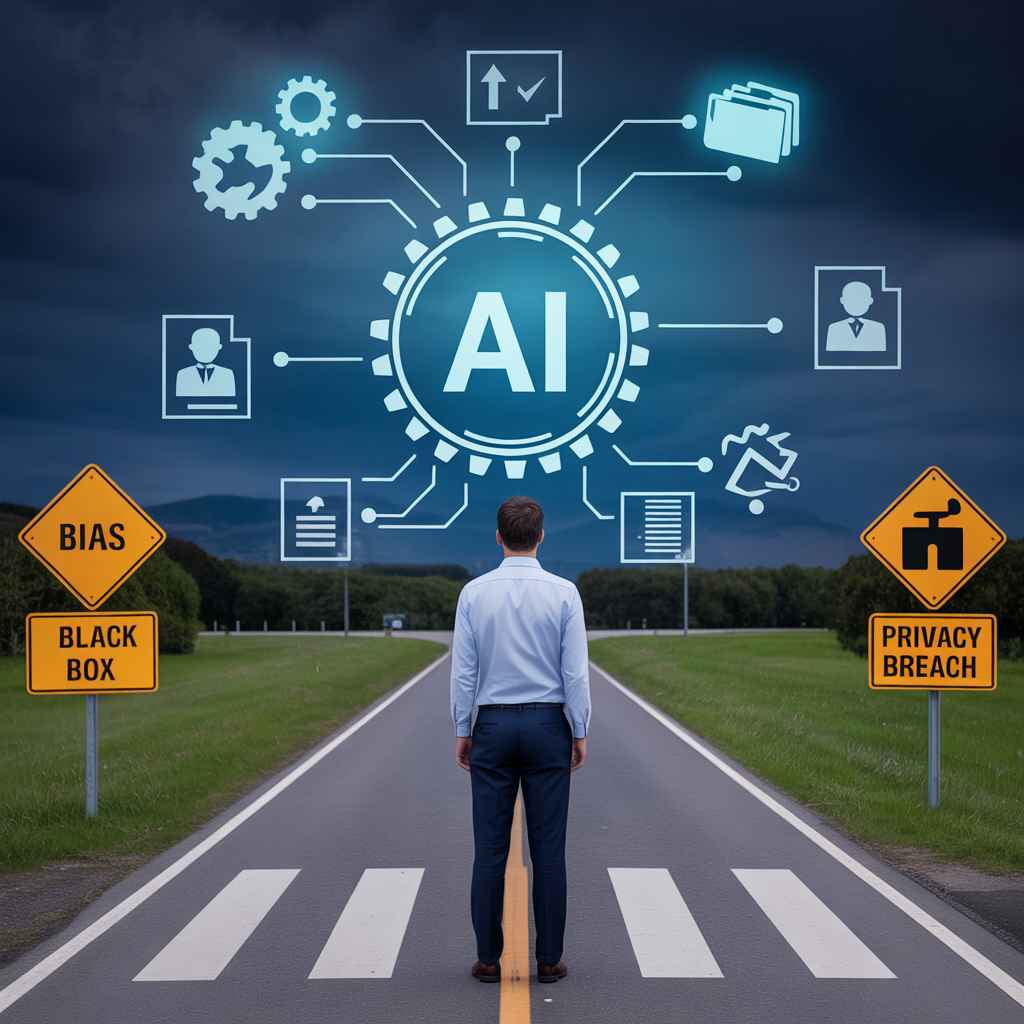
A recent Gartner survey reports that 41% of organizations experienced at least one AI privacy violation or “unintended consequence” in HR. If you don’t nail the fundamentals of AI in HR, the risks can hit productivity, blight your employer brand, and even bring regulatory action. Here’s what to watch for—and how to avoid getting burned.
1. Bias Amplification and Algorithmic Discrimination
Even well-intentioned AI can worsen bias, especially if training data or oversight fall short. AI-driven recruitment models might build in hidden prejudice, resulting in discrimination against protected groups.
This reality has triggered regulatory moves like New York City’s mandate for AI audits. You could see mistakes multiply fast if algorithms go unchecked. The solution? Build bias mitigation and human oversight checkpoints into every AI audit in HR workflow.
2. Loss of Human Touch
Automating candidate screening offers speed, but can lead to a soulless candidate journey. For example, top talent may drop out if they feel a system can’t assess their unique “culture add” or fails to recognize nuanced achievements.
Empathy in HR, as John Sumser would attest, is table stakes for candidate loyalty and strong employer branding. Review every AI-powered hiring step to ensure the human touch never disappears from the experience.
3. Data Privacy and Security Risks
AI in talent management always puts data privacy in the spotlight. Insecure or careless use can break laws like GDPR, exposing sensitive HR data or leaving workflows open to attack. For example, consult the data privacy protocols issued by the French CNIL. AI security risks must be managed with policy, encrypted workflows, and skills training.
4. Lack of Transparency (“Black Box” Decisions)
Some AI tools deliver results without a clear rationale, creating trust gaps. If your team can’t explain why AI flagged a candidate for rejection, expect pushback. Regulations and top HR leaders are now calling for explainable AI. You might need to slow down hands-off hiring and prioritize tools with clear audit trails.
5. Cost, Implementation, and Skills Gaps
Next-gen AI-powered hiring demands urgent investment, strong change management, and consistent upskilling. Unprepared teams get stuck paying for tools that gather dust or fail to move the needle. For a quick win, forecast budget, plan training, and run pilot programs before scaling any new AI in HR tech.
Compliance, Audit, and Regulatory Best Practices
Most HR leaders believe AI compliance is just a legal hurdle, but the real opportunity lies in using regulation as a springboard for trust and a stronger employer brand. You could treat these ever-evolving requirements as an annual “boil the ocean” chore. Or, you can leverage compliance as a step-by-step enhancement for both process and reputation.
Laszlo Bock, author of “Work Rules!”, reminds us that compliance is not an afterthought but a core strategic lever in responsible AI-powered hiring. For a quick win, translate these rules into day-to-day workflows to move the needle on both legal safety and employer trustworthiness.
Human + AI: Building a Balanced, Ethical HR Workflow
Picture a workflow that nails efficiency and fairness. AI-driven recruitment fills your talent pipeline quickly. Meanwhile, you add in human oversight for those all-important culture add decisions. That’s the sweet spot—a modern team that meets business goals while building trust. Here’s how to strike the right balance:
- AI for top-of-funnel sourcing: Let AI shoulder the grunt work of scouting and resume screening. Human touch is needed for nuanced and borderline hiring decisions..
- Manual spot-checks: Embed regular human reviews in candidate evaluation, onboarding, or promotions. These checks catch issues that algorithms might miss, keeping your AI in HR workflow fair.
- Transparent, explainable AI tools: Always choose platforms that share criteria with both recruiters and candidates..
- Invite candidate review requests: Let candidates ask for a human to review AI-driven decisions. This builds trust, reduces ghosting candidates, and demonstrates true transparency—something Ryan Roslansky regularly emphasizes in modern hiring conversations.
Balancing automation with empathy is critical—our guide on AI in the hiring process explains how to achieve efficiency without losing the human touch.
How to Audit and Monitor AI for Bias, Compliance, and Quality
It’s unsettling to find an AI system scoring your top sales candidate three points lower just because of unseen training data quirks. As your workflow grows more AI-powered, missing audit steps can blindside your organization with legal, ethical, and brand damage.
For HR leaders, auditing AI in talent management is now a necessity, not a luxury. Leena Nair regularly highlights these as critical, table stakes for responsible AI in HR.
- Define outcome metrics: Establish clear indicators like adverse impact ratios on gender, ethnicity, or age, along with AI in HR compliance measurements.
- Partner with independent auditors: Use specialists certified in AI fairness and data privacy for honest assessments. Many audit high-impact systems quarterly.
- Spot test for bias: Randomly retest decisions, varying candidate profiles. Document and resolve disparities to satisfy the pros and cons of using AI scrutiny.
- Monitor ongoing data drift: Schedule routine reviews for model updates, retrainings, and explainability audits, tracking bias and accuracy over time.
- Build in human review: For any flagged edge cases or system errors, require manual checks. This blends AI-powered hiring speed with expert oversight.
Ready to modernize your HR strategy?
Book a demo and see how AI-powered hiring can be your next game-changer—not just for efficiency, but for finding true culture add talent.
AI for Diversity, Inclusion, and Talent Discovery
Companies that actively promote diversity are 35% more likely to outperform their peers. AI in HR can drive this edge—when you harness the right platforms and processes. For instance, AI-powered hiring tools can proactively scan vast networks to surface hidden, high-potential profiles outside your usual circles, broadening the top of the funnel for new hires.
A laser-focused approach combined with a thoughtful AI audit in HR helps ensure your algorithms lift qualified candidates with adjacent or nontraditional skills. You might leverage ensemble AI models, which a recent Nature study showed can reduce both gender and racial bias by blending model outputs instead of relying on a single system.That way, you source smarter and spot “culture add” talent that manual sourcing can easily miss.
As Josh Bersin has shared, true innovation in diversity hiring is about systems that help you build teams as unique as your business objectives. AI-driven recruitment does not replace the art of hiring, but it’s essential for keeping your talent pipeline competitive, balanced, and fair.
Candidate Experience: How AI Is Viewed by Job Seekers
Many HR pros assume AI turns the candidate journey cold, but studies reveal some applicants—especially those from minority backgrounds—actually trust AI-powered hiring for its perceived fairness. These candidates feel less subject to human bias when facing AI-powered interviews. That’s a crucial advantage for organizations using AI in talent management.
Still, there’s a fine line. Too much automation or a lack of transparency can alienate top talent. For example, if ghosting candidates becomes easier or decisions go unexplained, your employer branding takes a hit. To get it right, equip your process with transparent, explainable steps, and offer human interaction for every candidate.
As Laszlo Bock wrote in “Work Rules!”, a blend of efficient digital touchpoints with genuine human empathy creates the most trusted, candidate-friendly hiring workflow. In AI in HR, balance real-time feedback and high-tech screening with the warmth and fairness applicants expect. Learn how an AI recruiting chatbot improves candidate communication and reduces turnover.
The Reality: AI Is a Tool, Not a Replacement
AI in HR is powerful, but it’s no miracle worker. Everyone in talent acquisition knows human relationships and critical thinking are still at the heart of world-class hiring. Relying solely on AI-driven recruitment doesn’t deliver a real culture add or support nuanced leadership decisions.
For every quick win brought by AI-powered hiring, you need human touch to craft high-trust candidate experiences and ensure fairness. Modern teams use Predictive analytics in HR to farm talent, forecast workforce needs, and automate repetitive steps. However, leadership and empathy can’t be automated.
Laszlo Bock, author of “Work Rules!”, urges us to view technology as “augmentation, not substitution.” The pros and cons of using AI reflect this reality: it’s a plug-and-play tool for HR to sharpen efficiency—but not a replacement for intuition and connection.
How to Choose the Right AI Partners for Your HR Tech Stack
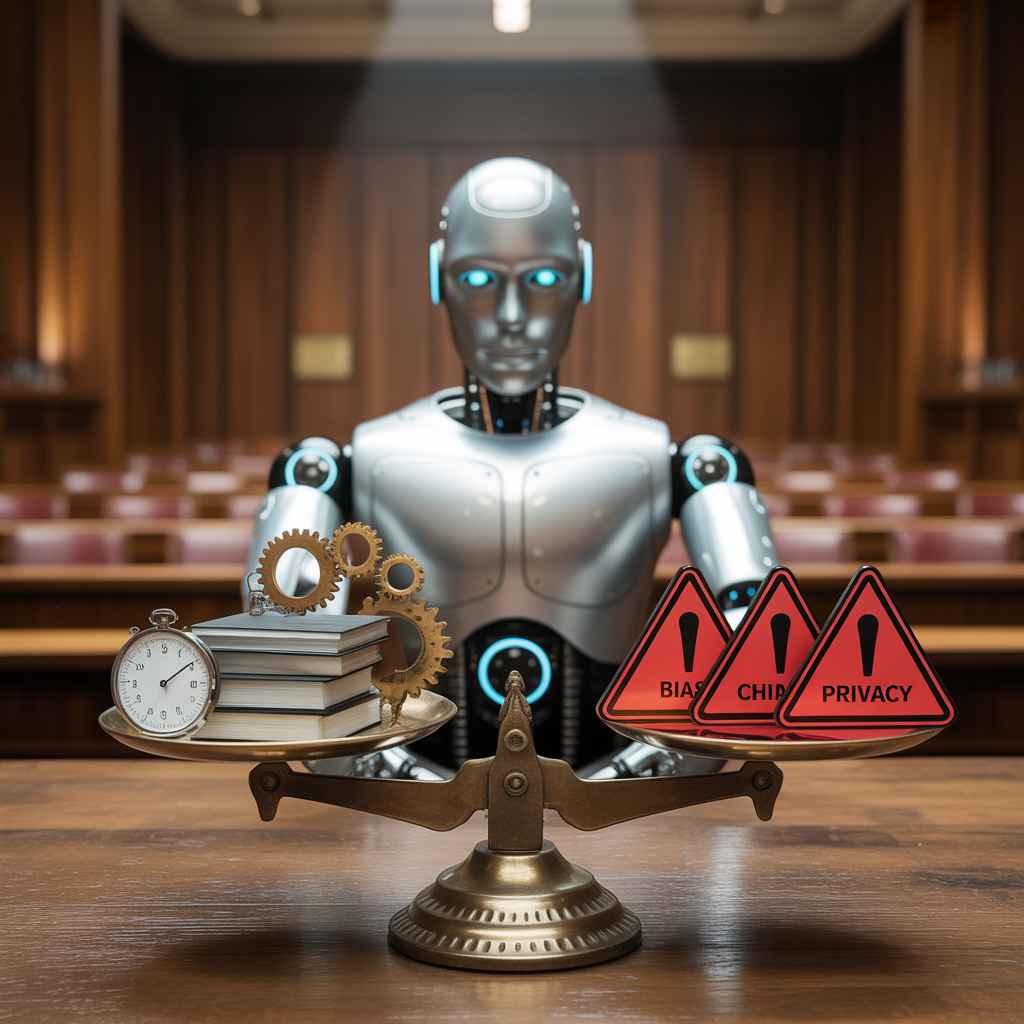
Imagine rolling out a new AI-powered hiring solution and immediately seeing fewer compliance issues, smoother employee onboarding, and more laser-focused candidate matches. Picking the right partner makes all the difference—the wrong one can leave you patching holes nonstop. With insights from John Sumser, here are the must-ask questions for every HR tech prospect:
| Consideration | Key Questions and Actions |
|---|---|
| Explainability Tools | Does this AI vendor provide clear reasons for every decision made? |
| Training Data Diversity | Can the provider share details about demographics, regular updates, and bias controls? |
| Compliance History | How does the tool meet GDPR, CCPA, and relevant bias audit mandates? |
| Integration & Human Review Options | Does it support easy human-in-the-loop workflows for decisions? |
| Ongoing Support & Updates | Will the vendor help with quarterly reviews, compliance updates, and training? |
A strong AI in HR partner should turn these checks into table stakes. Take time for due diligence up front for a smoother, more compliant, and smarter AI-driven recruitment rollout. For a closer look at platform features and integrations, check out our deep dive on AI recruitment platforms.
Strategies for Success: AI in the Employee Lifecycle
It feels electric when you see a talent pipeline transform—from onboarding to exit—with seamless, AI-assisted support in every stage. When tech is paired with a human-first mindset, the impact on new hire experience, retention, and ongoing engagement is immediate.
Here’s how leading HR teams, inspired by Arianna Huffington’s focus on well-being, maximize AI-driven hiring across the employee lifecycle:
- AI-driven onboarding checklists: Create a white-glove first day, ensuring all the right forms, intros, and schedules are in place for each new hire.
- Predictive analytics for retention and succession: Use data to identify flight risks and prepare for critical role transitions.
- Automated, real-time feedback: Deliver quick, personalized coaching as employees move through training or adjust to role changes.
- Regular sentiment analysis: Gauge engagement and tailor AI in HR strategies to support ongoing employee well-being and development.
- AI in workforce planning: Forecast skill needs and help the organization farm talent internally and externally for tomorrow’s challenges.
Pros and Cons of Using AI: Summing Up for Future-Forward HR
AI in HR has proven to be a game-changer for hiring, retention, and development. When deployed with human oversight and regular audits, AI-powered hiring becomes a competitive advantage instead of a risk.
As you design your future talent pipeline, blend proven tools with a white-glove experience for candidates and employees. Josh Bersin says the best results come from building hybrid, ethical processes—letting tech do the heavy lifting while you deliver leadership and empathy.
Content